Credit cards are one of the best ways to earn points in Canada.
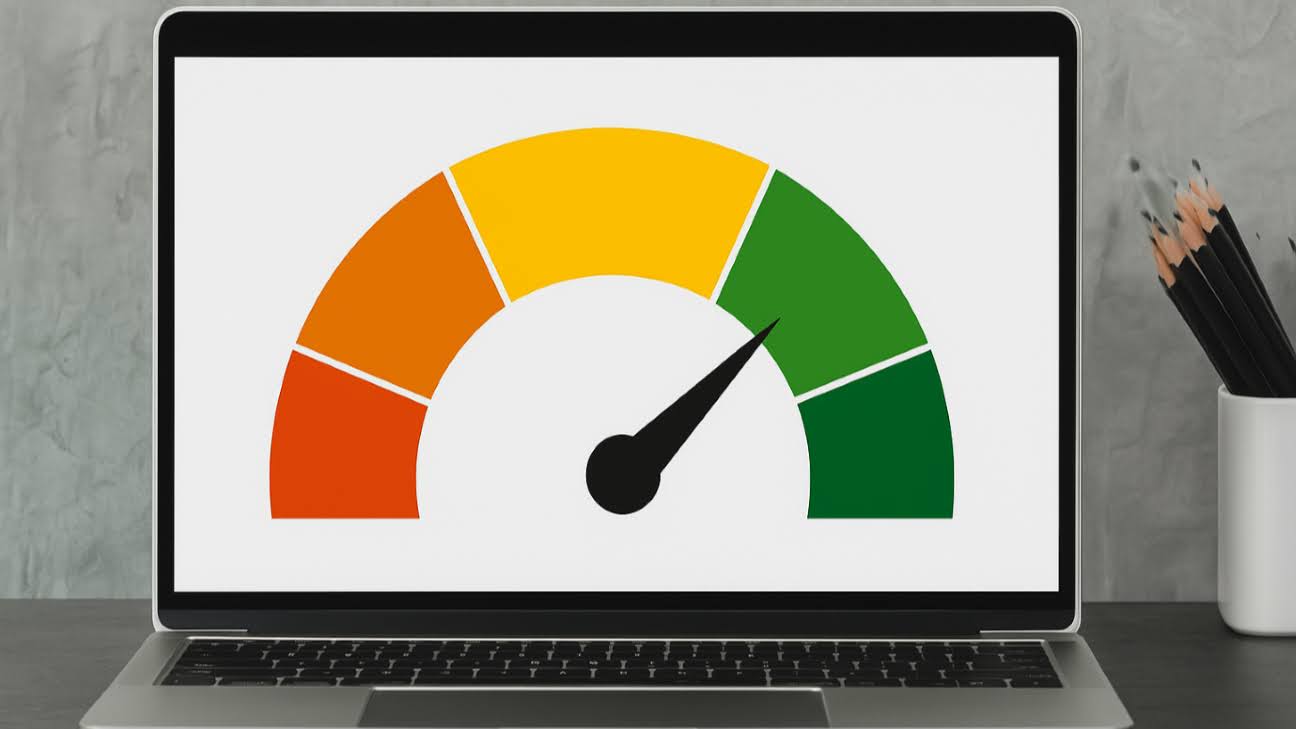
They are also a powerful tool for developing a strong credit score. So when you’re ready to buy a house or a car, you have a healthy credit score.
Unlike cash or debit, credit cards improve your credit score when you use them responsibly.
We recommend using sites like Borrowell to check your credit score for free.
Here’s how they impact your credit score in Canada and how to use them to your advantage.


The AWP Newsletter
Travel more using points
Get my free beginner guide and weekly tips on credit cards, points, and travel loyalty programs.
The AWP Newsletter
Travel more using points

Get my free beginner guide and weekly tips on credit cards, points, and travel loyalty programs.
Payment History
The biggest impact on your credit score is from your payment history.
You can protect your credit score by always paying your credit card statment balance in full and on time every month.
Missed payments can bring your score down and make future approvals harder.
Learn more in our guide on managing credit cards responsibly and check your credit score regularly. Borrowell is one of the easiest tools to verify that your payments are reported accurately.
Top Offers
Wondering which credit card to get next?
Our recommendations for the best credit card offers in Canada for March 2026.
Top Offers
Wondering which credit card to get next?
Our recommendations for the best credit card offers in Canada for March 2026.
New Credit Applications
You’ll see a small drop in your credit score each time you apply for a new card. These hard inquiries usually lower your credit score by a few points, but for only a short time.
With responsible use, your score will be back in no time, and often grow higher than before.
You’ll be better off pacing applications and applying when you have a plan for the minimum spend. Check out our guide on meeting minimum spending without overspending
Best Card Offers

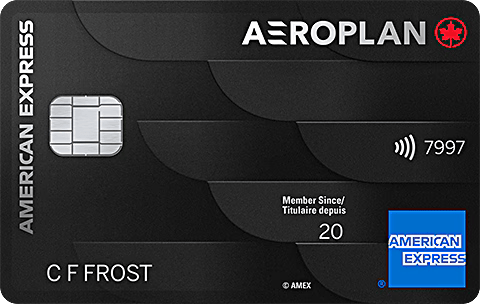
Welcome Points: Elevated 110,000
Welcome Value: $1,100
Annual Fee: $120
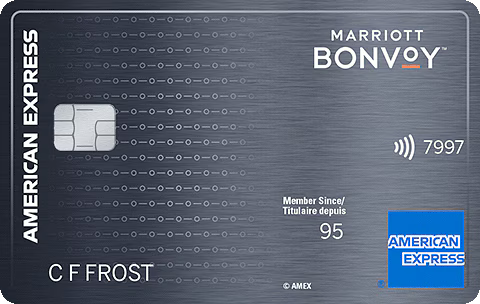
Welcome Points: Elevated 110,000
Welcome Value: $1,100
Annual Fee: $150

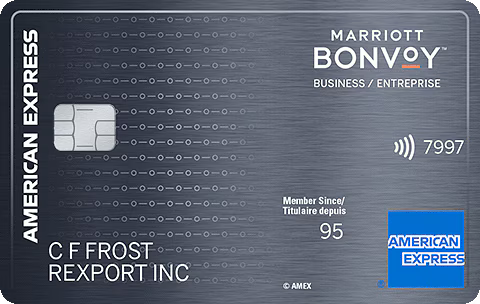
Welcome Points: Elevated 45,000
Welcome Value: $1,819
Annual Fee:$139. 1st Year Rebate



Credit Utilization
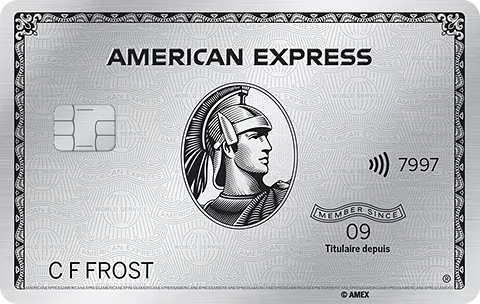
You’ll want to watch how much of your credit limit you use.
High balances compared to your limits can lower your credit score, even if you always pay on time. Try to keep usage under 30% of your total credit.
Monitoring your current utilization ustign tools, Borrowell, can help you see how balances affect your score.
You can improve your utilization by paying down cards before the statement closes, so the reported amount is lower.
New to Points? Start Here
From points newbie to booking your first trip
Learn everything you need to know to start using credit cards, points, and travel loyalty programs. Make your first redemption with points for nearly free travel.
New to Points? Start Here
From points newbie to booking your first trip
Learn everything you need to know to start using credit cards, points, and travel loyalty programs. Make your first redemption with points for nearly free travel.

Length of Credit History
A long, steady credit history creates a stronger score. Closing an oldest card shortens that history and can lower the score.
sing tools, like Borrowell, to track the average age of your accounts can help you see how new applications change your history over time. Keeping older accounts open helps maintain a stable foundation for your credit profile.
AWP TIP
Keep your oldest no-fee card, like the American Express® Green, even if you rarely use it. You’ll keep your average account age longer and help your credit score stay higher.

The AWP Community
Get more tips & ideas for travelling with points.
Join the AWP community to get guidance, updates, and practical tips on using points for travel.
The AWP Community
Get more tips & ideas for travelling with points.
Join the AWP community to get guidance, updates, and practical tips on using points for travel.
Bottom Line
You’ll have a strong credit score when you use credit cards responsibly.
Pay on time and in full, keep balances low, and pace your applications. Cash or debit won’t raise your score the same way.
You’ll earn plenty of points for travel, save money, and qualify for the best credit card offers.